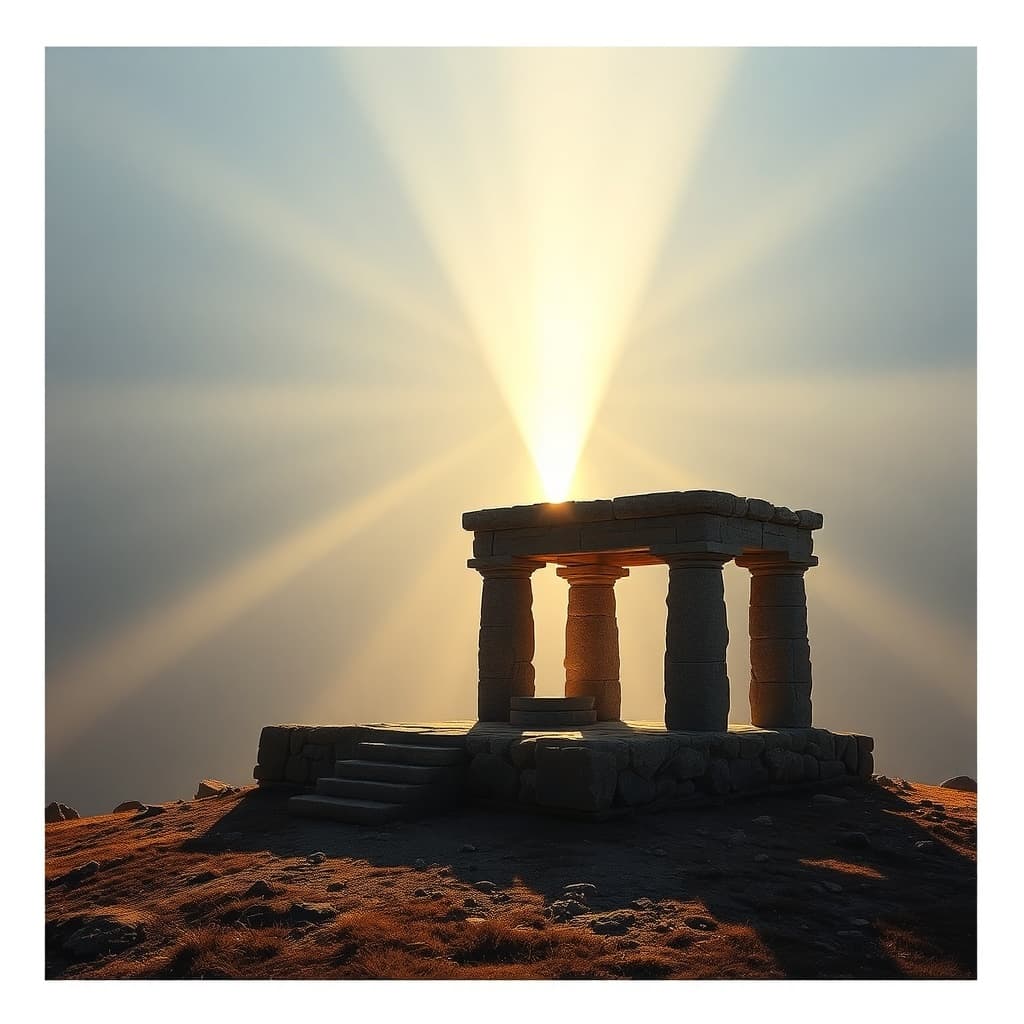
matthew 21:33-46 - Bible verse artwork

matthew 21:33-46

Scripture

Hear another parable. There was a master of a house who planted a vineyard and put a fence around it and dug a winepress in it and built a tower and leased it to tenants, and went into another country. When the season for fruit drew near, he sent his servants to the tenants to get his fruit. And the tenants took his servants and beat one, killed another, and stoned another. Again he sent other servants, more than the first. And they did the same to them. Finally he sent his son to them, saying, ‘They will respect my son.’ But when the tenants saw the son, they said to themselves, ‘This is the heir. Come, let us kill him and have his inheritance.’ And they took him and threw him out of the vineyard and killed him. When therefore the owner of the vineyard comes, what will he do to those tenants?” They said to him, “He will put those wretches to a miserable death and let out the vineyard to other tenants who will give him the fruits in their seasons.” Jesus said to them, “Have you never read in the Scriptures: “‘The stone that the builders rejected has become the cornerstone; this was the Lord’s doing, and it is marvelous in our eyes’? Therefore I tell you, the kingdom of God will be taken away from you and given to a people producing its fruits. And the one who falls on this stone will be broken to pieces; and when it falls on anyone, it will crush him.” When the chief priests and the Pharisees heard his parables, they perceived that he was speaking about them. And although they were seeking to arrest him, they feared the crowds, because they held him to be a prophet.

Step Into This Artwork

361 words · 2 min read

What This Verse Means

This parable delivers a sharp warning about rejecting God's messengers. Jesus tells this story to expose the religious leaders' hardened hearts and their impending rejection. The landowner represents God, the vineyard is Israel, the servants are the prophets, and the son is Jesus himself. When the tenants kill the son, they seal their own fate. The rejected stone becoming the cornerstone is a direct reference to Jesus, and the warning that the stone will crush those who fall on it speaks of coming judgment.

How The Artwork Interprets It

This is a direct interpretation of the parable. A classic style would likely show the vineyard with tenants surrounding the son, capturing the tension of the moment. The artwork would use balanced composition and muted colors to emphasize the injustice of the act. The visual weight would highlight the contrast between the vulnerable son and the menacing tenants, while the vineyard setting would remind viewers of the precious inheritance being mishandled. The scene would feel charged with impending consequences without needing to show the actual violence.

Why It Still Matters Today

Think of a community that has inherited a valuable tradition but begins treating it as property rather than a trust. They might claim ownership of something meant to be shared, mistreat those who remind them of their original purpose, and ultimately reject the very source of their vitality. This parable speaks to any organization that forgets its founding principles and begins existing for its own sake rather than for the good it was meant to do. The warning is clear: when we reject the source of our life, we risk losing everything.

Reflection

This parable leaves us with uncomfortable questions about our own relationship with God's messengers and purposes. It challenges us to consider whether we might be protecting our own interests at the expense of what was entrusted to us. Questions for Reflection: 1. Have you ever rejected guidance that challenged your comfort zone? 2. What valuable inheritance might you be taking for granted rather than nurturing? 3. Where in your life might you be acting like one of the tenants rather than a faithful steward?

Create Your Own Verse Artwork

Turn a verse you love into artwork that feels personal, memorable, and ready to share.

Generate Your Artwork
Ecclesiastes 3:1-8 preview

Next Artwork

Keep Scrolling

You are almost at the next piece. Stay with the scroll and we will take you there.

Ecclesiastes 3:1-8 next artwork

Ecclesiastes 3:1-8

For everything there is a season, and a time for every matter under heaven: a time to be born, and a time to die; a time to plant, and a time to pluck up what is planted; a time to kill, and a time to heal; a time to break down, and a time to build up; a time to weep, and a time to laugh; a time to mourn, and a time to dance; a time to cast away stones, and a time to gather stones together; a time to embrace, and a time to refrain from embracing; a time to seek, and a time to lose; a time to keep, and a time to cast away; a time to tear, and a time to sew; a time to keep silence, and a time to speak; a time to love, and a time to hate; a time for war, and a time for peace.

Pause here, or keep scrolling to continue automatically.